Difference Between Invoice, Proforma Invoice, and Receipt
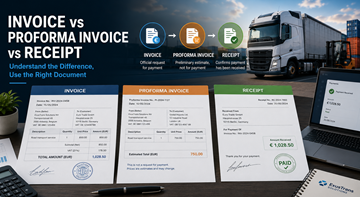
In this guide, we explain the differences between invoices, proforma invoices, and receipts, when they are used, what legal role they play, and how they work in transport and logistics operations across Europe.
What Is an Invoice?
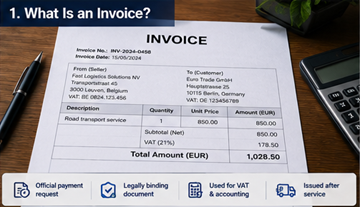
An invoice is an official financial document issued by a seller or service provider to request payment from a customer. It confirms that goods or services were provided and specifies how much must be paid.
Invoices are legally important documents used for accounting, VAT reporting, tax declarations, and payment processing.
- Official payment request
- Legally binding document
- Used for accounting and VAT
- Issued after goods or services are provided
- Includes final payable amount
What Is a Proforma Invoice?
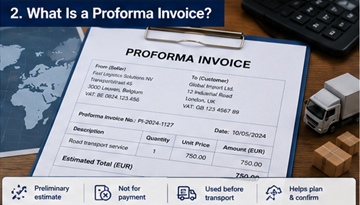
A proforma invoice is a preliminary document sent before the final invoice. It provides an estimated price and details about the planned goods or services, but it is not an official request for payment.
Proforma invoices are commonly used in international trade, customs procedures, transport negotiations, and price confirmations before the transport is completed.
- Preliminary price estimate
- Not legally binding for payment
- Often used before transport starts
- Helps customer review expected costs
- Common in exports and international logistics
What Is a Receipt?
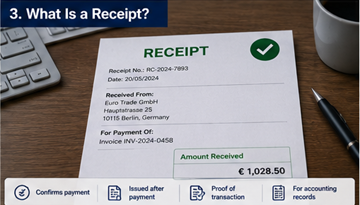
A receipt is a document confirming that payment has already been received. Unlike an invoice, which requests payment, a receipt proves that the customer has paid successfully.
Receipts are commonly used for completed transactions, online payments, cash payments, and accounting verification.
- Confirms completed payment
- Issued after payment is received
- Acts as proof of payment
- Used for accounting records
- Can be digital or printed
Main Difference Between Invoice, Proforma Invoice, and Receipt
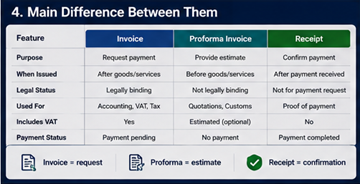
Although these documents may contain similar information, their purpose and legal meaning are completely different.
- Invoice = official request for payment
- Proforma invoice = estimated or preliminary document
- Receipt = confirmation that payment was received
- Invoice affects VAT and accounting
- Receipt confirms transaction completion
When Is an Invoice Used?
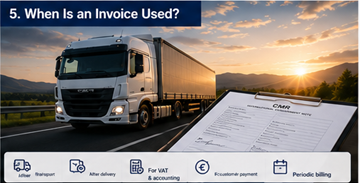
Invoices are typically issued after goods are delivered or services are completed. In transport and logistics, invoices are often linked to proof of delivery documents such as signed CMRs.
- After transport completion
- After delivery confirmation
- For VAT and accounting purposes
- For customer payment processing
- For periodic billing agreements
When Is a Proforma Invoice Used?
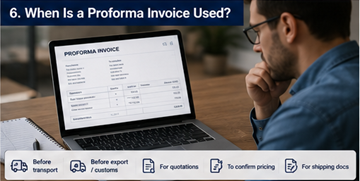
Proforma invoices are used before the final invoice is issued. They help customers understand expected costs and shipment details before confirming the transaction.
- Before transport begins
- Before export or customs procedures
- For quotations and estimates
- To confirm expected pricing
- To prepare shipping documentation
When Is a Receipt Used?
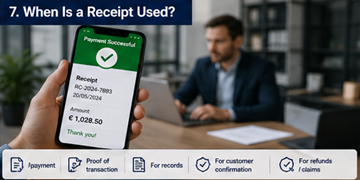
Receipts are issued after payment is completed. They confirm that the seller or carrier received the agreed amount.
- After successful payment
- For proof of transaction
- For accounting records
- For customer confirmation
- For refunds or warranty claims
How These Documents Work in Logistics
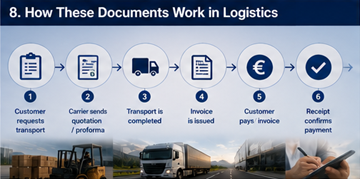
In logistics and freight transport, invoices, proforma invoices, and receipts are often connected to transport orders, CMR documents, proof of delivery, and payment systems.
- Customer requests transport
- Carrier sends quotation or proforma invoice
- Transport is completed
- Invoice is issued
- Customer pays invoice
- Receipt confirms successful payment
Common Mistakes to Avoid
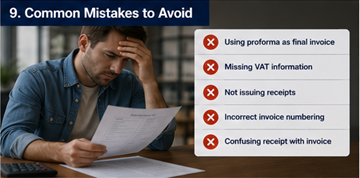
Using the wrong document type can create accounting problems, VAT issues, or confusion between parties.
- Using proforma invoice as final invoice
- Missing VAT information
- Not issuing receipts after payment
- Incorrect invoice numbering
- Confusing receipt with invoice
Why Understanding These Documents Is Important
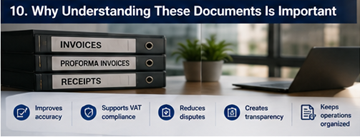
Correctly using invoices, proforma invoices, and receipts helps businesses stay compliant, improve transparency, and avoid financial disputes.
- Improves accounting accuracy
- Supports VAT compliance
- Reduces payment disputes
- Creates transparent transactions
- Helps organize logistics operations
FAQ: Invoice, Proforma Invoice, and Receipt
Is a proforma invoice legally binding?
No. A proforma invoice is only an estimate or preliminary document and is not a final payment request.
Can a receipt replace an invoice?
No. A receipt only confirms payment. An invoice is still required for accounting and VAT purposes.
Does an invoice mean payment was received?
No. An invoice requests payment, but it does not confirm that payment was completed.
When should I issue a receipt?
A receipt should be issued after payment has been successfully received.
Can a proforma invoice include VAT?
Yes, it may show estimated VAT amounts, but it is not used for official VAT accounting.
Which document is most important for accounting?
The official invoice is the main accounting and tax document used for financial reporting.
eXus Dev